
Why It Matters to Invest in a Fire Suppression System
Fire suppression systems are critical protective measures in safeguarding both residential and commercial properties. They play a significant role in enhancing safety by preventing fires from escalating, thus protecting lives and assets. Investing in fire suppression technologies represents a proactive approach to risk management. Businesses and individuals need to prioritize these systems not only to comply with legal standards but also to mitigate financial and human losses. This article delves into the importance of these systems and explores various aspects of investing in them.
Understanding Fire Suppression Systems
Definition and Components
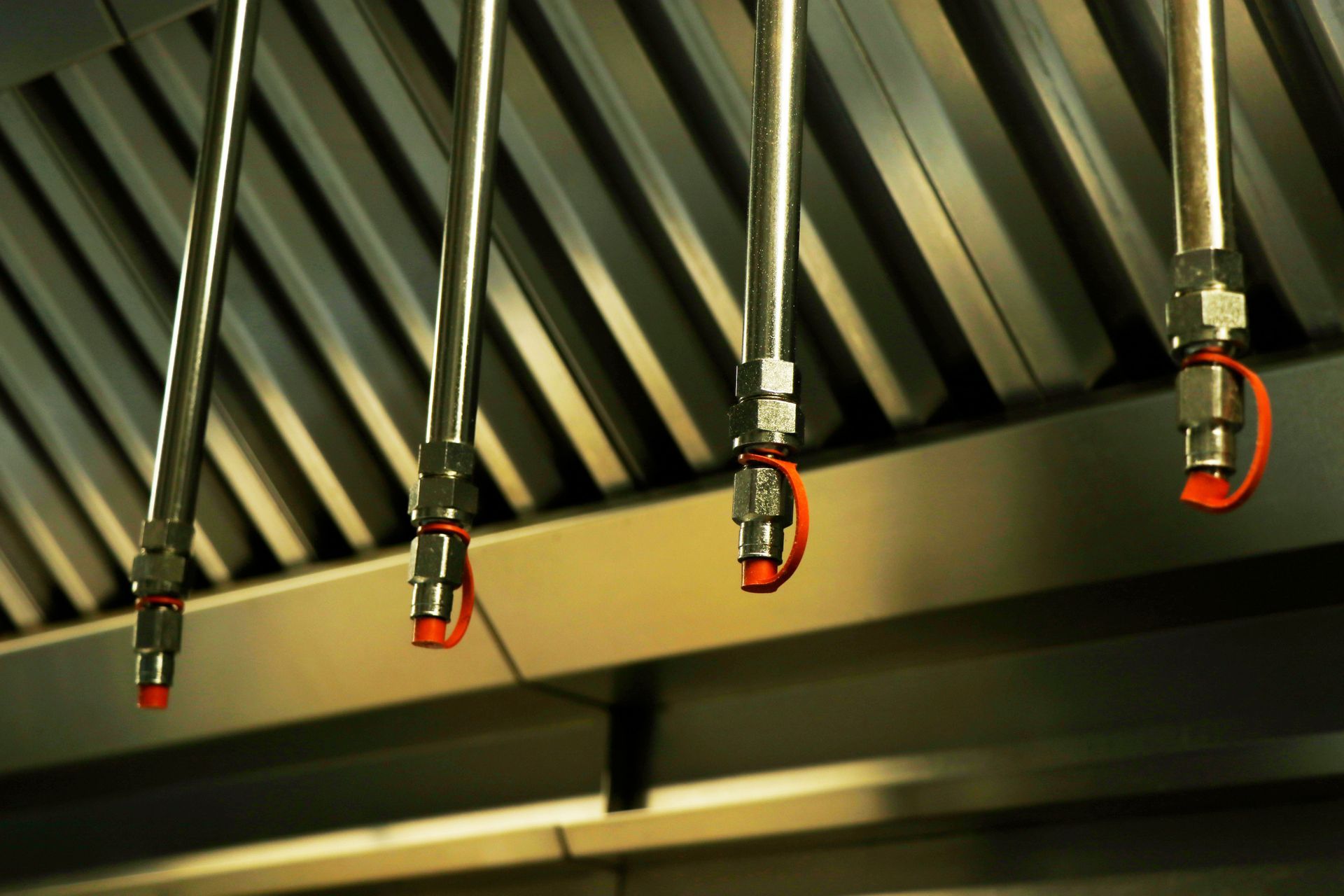
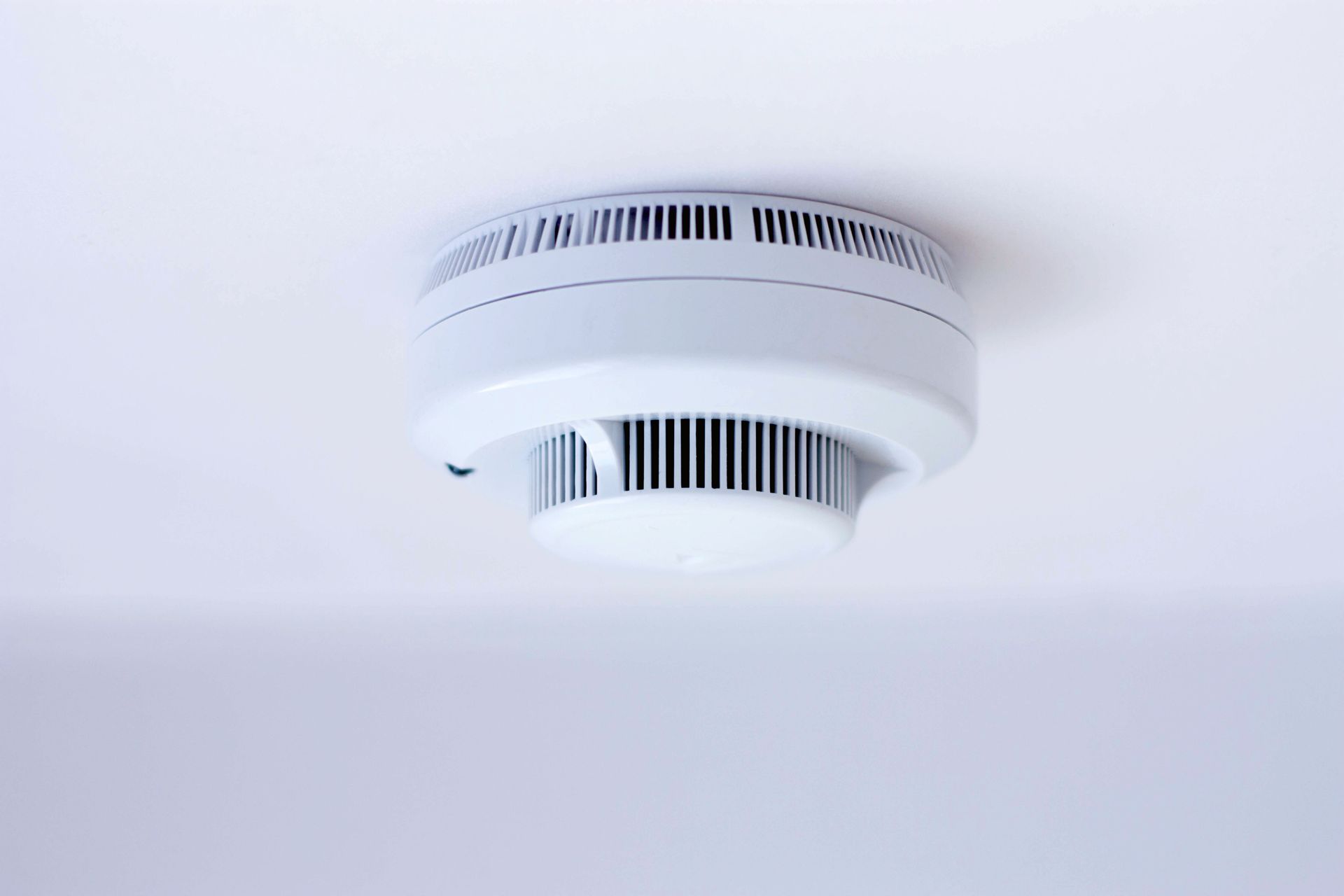
A fire suppression system is designed to detect and suppress fires automatically without human intervention. The primary components of these systems include detection devices, control panels, and suppression agents such as water, gases, or chemicals. These components work together to identify fires, activate alarms, and deploy suppression agents to extinguish flames. A comprehensive fire suppression setup is an amalgamation of hardware and technology aimed at preventing fire escalation. Understanding each element's role helps in selecting an appropriate system tailored to specific environmental needs.
Types of Fire Suppression Systems
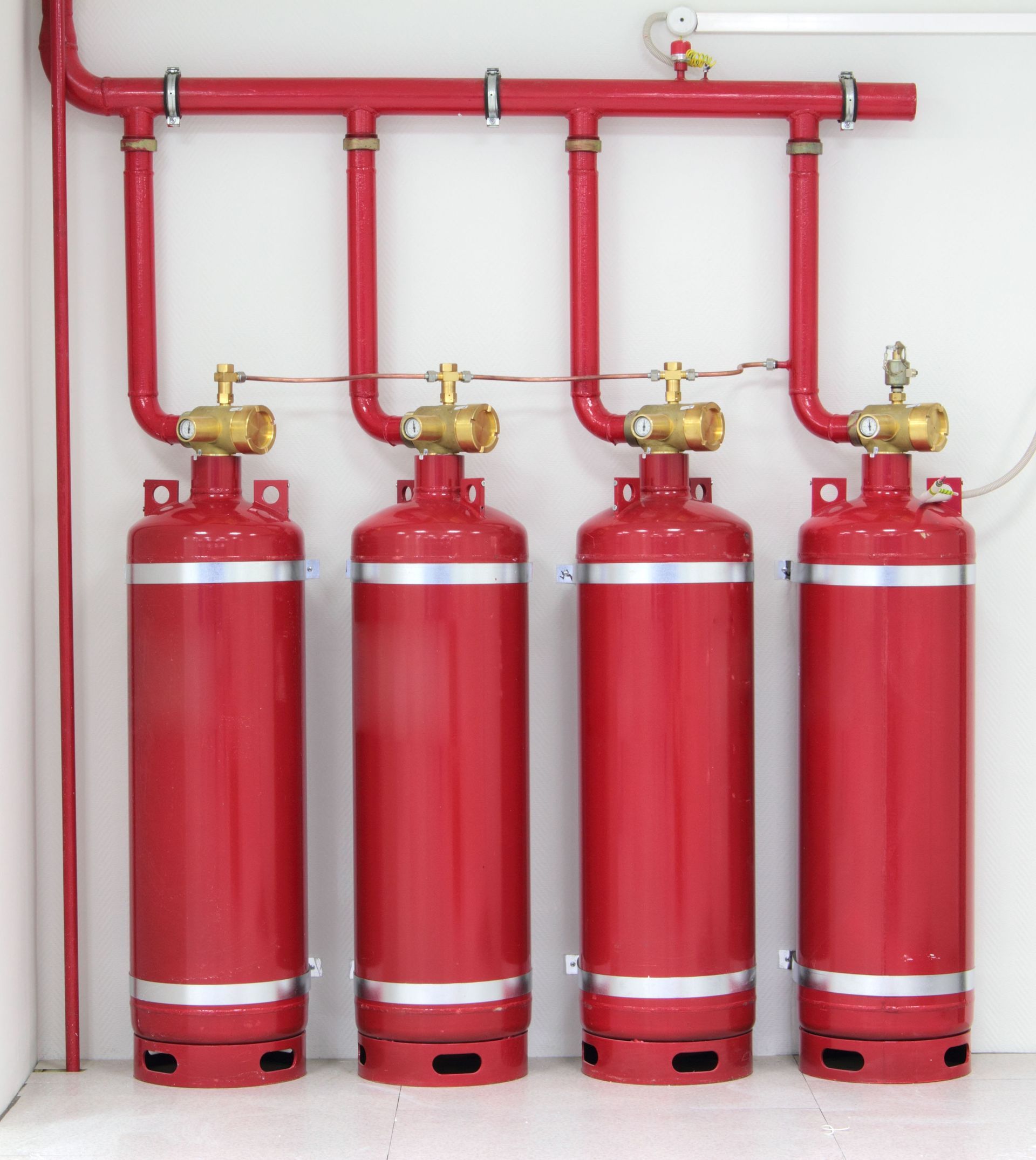
Fire suppression systems can be categorized into various types based on their suppression agents. The most common are water-based systems such as sprinklers, widely used for their reliability in a broad range of environments. Other types include gas suppression systems like CO2 and FM200, which are preferable for sensitive areas like server rooms. Additionally, chemical systems are used in industrial settings where specialized agents can combat particular fire types. Selecting the appropriate system depends on the type of material or area being protected.
How Fire Suppression Systems Work
These systems are engineered to detect the presence of heat, smoke, or flame, initiating a suppression response. Upon detection, alarms alert occupants, and suppression agents are released, targeting the fire source directly. The rapid response capability significantly reduces the potential for property damage and human casualties. Modern systems are equipped with smart sensors that optimize the activation of suppression based on fire size and location. This early intervention is crucial in minimizing fire-related risks.
Historical Development and Advancements
Fire suppression technology has evolved considerably since its inception in the early 19th century. Initial systems were manually operated, relying heavily on human presence. With technological advancements, automatic systems emerged, offering efficient and reliable fire mitigation. The integration of digital technology has further revolutionized their operation, exemplified by advanced control systems and real-time monitoring. Understanding the historical context highlights the progressive strides made in fire safety innovation.
Compliance and Legal Obligations
Compliance with fire safety regulations is a legal obligation for property owners and businesses. Regulatory bodies mandate the installation of appropriate fire suppression systems based on building type and occupancy. Failure to adhere to these standards can result in hefty fines, legal liabilities, or business closures. Moreover, compliance assures stakeholders of a commitment to safety and risk mitigation. Staying informed on evolving regulations is essential for ensuring ongoing conformity and safety.
Safety Benefits of Fire Suppression Systems
Protection for Life and Property
The primary objective of fire suppression systems is to safeguard human lives and minimize property damage. By detecting and addressing fires promptly, they significantly reduce the potential for injuries and fatalities. According to the US Fire Administration, between 2014 and 2023, the 10-year trend in the fire fatality rate per million population increased by over 25%. This statistic underscores the urgency and importance of effective fire suppression efforts as critical life-saving measures. Continuous system operation underlines their efficacy in enhancing safety.
Early Detection and Rapid Response
Early fire detection is crucial, as it facilitates rapid intervention before a fire can grow uncontrollably. Sophisticated sensors and alert systems form the backbone of fire suppression systems, enabling immediate action. The speed at which suppression systems can activate underpins their life-saving potential. By reducing response times, these systems curtail the spread of flames, smoke, and harmful gases. A swift response mitigates potential exposure to hazardous conditions for those present.
Minimizing Damage and Downtime
A fire outbreak can lead to substantial damage, often resulting in lengthy downtimes for businesses. Fire suppression systems mitigate this by containing fires before they escalate, thereby preserving assets. Quickly extinguished fires minimize repair costs and enable faster recovery times and business resumption. This proactive suppression avoids long-term business disruption, safeguarding productivity and financial stability. Ensuring continuity is integral to maintaining customer trust and organizational resilience.
Integration with Other Safety Protocols
Fire suppression systems are most effective when integrated with other safety protocols. This integration supports comprehensive safety strategies, ensuring risks are mitigated holistically. Collaboration with systems like evacuation procedures, emergency lighting, and alarm systems fosters a coordinated response to fire events. Such synergies enhance the functionality of fire suppression systems, fostering a secure environment. Implementing an integrated safety plan underscores organizational commitment to thorough risk management.
Enhancing Emergency Evacuation Efforts
During fire incidents, clear and efficient evacuation is paramount to maintaining safety. Fire suppression systems play a supportive role by controlling fire spread, allowing more time for safe evacuation. Coordinated alarm signals guide occupants, improving navigation to designated exits. Controlled environments with less smoke and lower temperatures facilitate safer, quicker evacuation. Proper planning and system integration crucially underpin effective egress during emergencies.
Economic Advantages of Investing in Fire Suppression
Cost-Benefit Analysis
Understanding the financial implications of installing fire suppression systems is essential for informed decision-making. Initial costs for system installation are often outweighed by long-term savings from reduced fire-related damages. Conducting a thorough cost-benefit analysis can reveal the potential financial benefits, considering factors like asset preservation and reduced insurance premiums. Fire suppression represents not just an expense, but a strategic investment in operational resilience. Long-term, the financial prudence of such an investment becomes evident through avoided losses.
Insurance Premium Reductions
Insurance providers recognize the value of effective fire suppression systems and often offer reduced premiums to insured parties with such installations. Implementing these systems signals a commitment to risk management, enhancing credibility with insurers. Insurance savings contribute to offsetting initial installation costs, providing financial incentives for system adoption. Over time, these reductions in premiums lead to substantial savings, improving the overall financial health of the business. Proactively demonstrating risk reduction can foster favorable insurance terms.
Preservation of Assets and Inventory
Fires can result in the total loss of valuable assets and inventory, impacting financial stability. Installing fire suppression systems effectively mitigates this risk, protecting important assets from destruction. Preservation through timely suppression minimizes replacement costs and maintains business continuity. Ensuring that high-value items are protected underscores the strategic importance of these systems. Long-term asset protection allows businesses to focus on growth rather than recovering from preventable losses.
Avoidance of Business Disruption Costs
Fire-related incidents often entail significant business disruptions, leading to lost productivity and revenue. Suppression systems swiftly control the situation, reducing the extent of business downtime. Quickly returning to operational capacity is critical for maintaining customer service levels and financial health. By minimizing disruptions, a fire suppression system is an asset that ensures consistent business operations. Business stability contributes to sustained revenue and the maintenance of brand reputation.
Increasing Property Value
Installing fire suppression systems can enhance the market value of properties. Both potential buyers and investors perceive properties equipped with comprehensive fire safety systems as safer and more appealing. A robust fire suppression setup can differentiate properties, making them more attractive in competitive real estate markets. Enhanced property value due to safety systems can contribute to favorable financial returns when selling or leasing. Investing in fire suppression, therefore, is a strategic move in augmenting asset valuation.
Investing in a fire suppression system is a critical step towards safeguarding life, property, and business interests. The extensive benefits, including heightened safety, economic advantages, and technological innovations, underscore their necessity. Comprehensive evaluation, strategic planning, and regular review ensure that systems remain effective and reliable over time. Embracing these systems signifies a proactive commitment to security and resilience. Prioritizing fire suppression represents a wise investment for individuals and businesses seeking to mitigate fire risks, so call Fire Protection today to get started.
Share On: